Managing Lower Back Pain at Home Without Stress
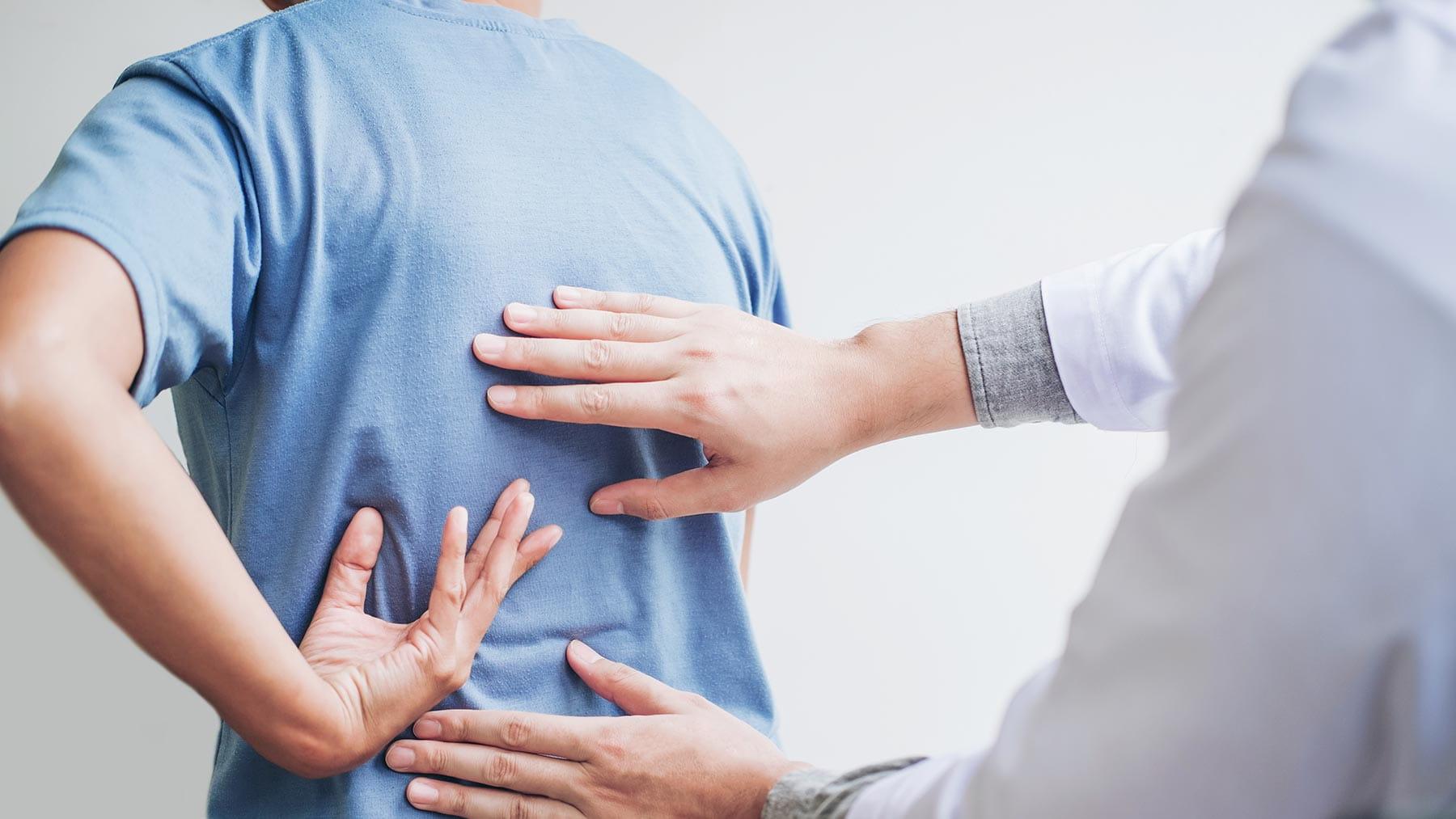
Lower back pain is one of the most common health complaints among adults, often affecting daily activities, sleep quality, and overall comfort. Many people searching for effective ways of Managing Back Pain at Home in Dubai are now choosing simple home-based recovery methods combined with convenient healthcare support such as Doctor at Home services for personalized care and guidance. Lower back discomfort can develop due to poor posture, muscle strain, stress, lack of movement, or prolonged sitting. Fortunately, many mild to moderate cases can be improved naturally through stress-free lifestyle changes, gentle exercises, and consistent self-care routines that support spinal health and reduce tension.
Understanding the Common Causes of Lower Back Pain:
Lower back pain can result from several physical and lifestyle-related factors that place pressure on the spine and surrounding muscles. Common causes include poor posture, weak core muscles, heavy lifting, obesity, stress, prolonged sitting, and lack of physical activity. In many cases, people experience pain because tight muscles and weak spinal support structures create imbalance and strain. Emotional stress can also contribute significantly because stress often causes muscle tension, especially around the shoulders and lower back. Understanding the underlying reasons behind discomfort helps individuals choose safer and more effective home management strategies that focus on long-term relief instead of temporary solutions.
Why Stress Can Make Back Pain Worse:
Stress affects the body in many ways, including increasing muscle tightness and reducing the body’s ability to relax and recover properly. When stress levels rise, muscles naturally tense up, leading to stiffness and discomfort in the lower back and surrounding areas. Stress can also interfere with sleep quality, posture, and physical activity levels, all of which influence spinal health. People experiencing chronic stress often become less active, which weakens muscles further and increases stiffness. Managing emotional and physical stress together is essential for reducing lower back discomfort and improving overall well-being. Relaxation techniques combined with movement exercises often provide better results than focusing on pain alone.
Gentle Stretching Exercises for Daily Relief:
Stretching exercises help reduce muscle tension, improve flexibility, and support healthy spinal movement without placing unnecessary strain on the body. Gentle stretching is especially helpful for beginners and individuals experiencing mild to moderate pain. Effective stretches include:
- Knee-to-chest stretch
- Cat-cow stretch
- Child’s pose
- Seated spinal twist
- Hamstring stretch
These movements should be performed slowly and comfortably while maintaining steady breathing. Stretching for just 10 to 15 minutes daily can improve flexibility, reduce stiffness, and support better posture throughout the day. Consistency is more important than intensity when managing lower back pain naturally.
The Importance of Staying Physically Active:
Many people believe complete rest is the best solution for lower back pain, but excessive inactivity can actually worsen stiffness and weaken supporting muscles. Gentle physical activity helps maintain mobility, improve circulation, and strengthen the muscles that support the spine. Low-impact activities that are beneficial include:
- Walking
- Light yoga
- Swimming
- Stretching routines
- Simple mobility exercises
Regular movement keeps joints flexible and prevents muscle tightness caused by prolonged sitting or lying down. Starting with short sessions and increasing activity gradually allows the body to recover safely without unnecessary stress.
Improving Posture to Reduce Lower Back Pressure:
Poor posture is one of the leading contributors to chronic lower back discomfort. Slouching while sitting, leaning forward excessively, or standing unevenly places additional stress on the spine and surrounding muscles. Correcting posture helps distribute body weight evenly and supports natural spinal alignment. Helpful posture habits include:
- Sitting with feet flat on the floor
- Keeping screens at eye level
- Using supportive chairs
- Avoiding slouching
- Standing upright with relaxed shoulders
Maintaining proper posture during work, driving, and daily activities reduces unnecessary strain and helps prevent recurring lower back problems over time.
Using Heat and Cold Therapy at Home:
Heat and cold therapy are simple and effective home remedies that can reduce discomfort and muscle tightness. Cold therapy is useful for reducing inflammation and numbing pain during sudden flare-ups, while heat therapy relaxes stiff muscles and improves circulation. Home options include:
- Ice packs wrapped in towels
- Heating pads
- Warm showers
- Hot water bottles
- Warm compresses
Applying heat or cold for 15 to 20 minutes at a time can provide temporary relief and improve comfort levels. Alternating between both therapies may also help individuals experiencing muscle stiffness and inflammation together.
Strengthening Core Muscles for Better Support:
Strong core muscles provide stability and reduce pressure on the lower back during movement. Weak abdominal and pelvic muscles force the lower back to compensate, leading to strain and discomfort. Beginner-friendly strengthening exercises include:
- Pelvic tilts
- Bridges
- Bird-dog exercises
- Modified planks
- Wall sits
These exercises should be performed slowly and with proper form to avoid injury. Building strength gradually helps improve spinal support, posture, and balance while reducing the risk of future back pain episodes.
Healthy Lifestyle Habits That Support Recovery:
Long-term lower back pain management depends heavily on maintaining healthy lifestyle habits that support recovery and reduce physical stress on the body. Important habits include:
- Staying hydrated
- Maintaining a healthy body weight
- Sleeping on supportive mattresses
- Taking movement breaks during work
- Managing emotional stress
- Avoiding heavy lifting
Proper sleep and stress management are especially important because both directly affect muscle recovery and inflammation levels. Combining healthy habits with regular movement creates a balanced and sustainable approach to spinal wellness.
Creating a Relaxing Home Recovery Routine:
A calm and organized recovery routine can help reduce both physical and mental stress associated with lower back pain. Individuals should create daily schedules that include gentle exercise, stretching, hydration, rest, and relaxation techniques. Helpful stress-relief activities include:
- Deep breathing exercises
- Meditation
- Listening to calming music
- Light walking
- Spending time outdoors
Creating a consistent routine encourages healthier movement habits and allows the body to recover more effectively. Small daily improvements often lead to significant long-term benefits for mobility and pain reduction.
When to Seek Professional Medical Attention:
Although many cases of lower back pain improve with home care, some symptoms require immediate medical evaluation. Persistent pain, numbness, tingling, weakness, fever, or pain after an injury should never be ignored. Consulting healthcare professionals can help identify serious underlying conditions and provide appropriate treatment recommendations. Many individuals now prefer home healthcare services because they allow patients to receive personalized care in a comfortable environment. Early intervention can prevent complications and improve recovery outcomes significantly.
Final Thoughts
Managing lower back pain at home without stress involves a combination of gentle movement, healthy lifestyle habits, relaxation techniques, and proper posture support. Simple daily exercises, stretching routines, and stress management practices can reduce muscle tension and improve spinal flexibility over time. By staying active, strengthening supporting muscles, and creating a balanced recovery routine, individuals can improve comfort and regain mobility naturally. For people seeking effective solutions for Managing Back Pain at Home in Dubai, combining home-based care with professional medical guidance when needed offers a practical and sustainable approach to long-term spinal health and overall well-being.
Categorias
Leia Mais
The Luxury Cruise Tourism Market size was valued at USD 10.23 Billion in 2025 and the total Luxury Cruise Tourism revenue is expected to grow at a CAGR of 12.32% from 2026 to 2032, reaching nearly USD 23.07 Billion by 2032. Navigating Premium Waters: Luxury Cruise Tourism Market Overview The Luxury Cruise Tourism Market Size represents a rapidly evolving segment within the global...

The Powerline Adapter Market is witnessing steady growth as consumers and businesses seek reliable and cost-effective networking solutions. Powerline adapters utilize existing electrical wiring within buildings to transmit internet signals, offering an efficient alternative to traditional Ethernet cabling and overcoming the limitations of Wi-Fi dead zones. In today’s hyper-connected...

Rhinoplasty is one of the most commonly performed cosmetic procedures worldwide, designed to enhance facial harmony, improve nasal structure, and in some cases, correct breathing issues. Nose Job Cost Riyadh People consider this procedure for a variety of reasons, including aesthetic refinement, injury correction, or functional improvement. As awareness of cosmetic procedures grows,...

Breast augmentation is one of the most commonly chosen cosmetic procedures worldwide, helping individuals enhance body proportions, restore volume, and improve overall confidence. Breast Augmentation Surgery Price in Riyadh (سعر عملية تكبير الثدي في الرياض) While the results can be life-changing, the recovery journey plays an equally important role in achieving safe and satisfying outcomes....

Gynecomastia is a condition that leads to the enlargement of male breast tissue due to hormonal imbalance, genetics, excess fat, or certain medications. While it is medically harmless in most cases, it can significantly affect physical appearance and self-confidence. Many individuals experience frustration with chest fullness that does not respond to exercise or diet. Exploring Gynecomastia in...