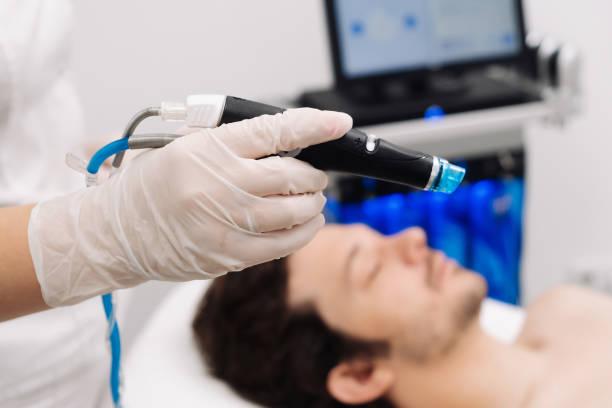
How to Manage Back Acne and Protect Your Skin from Future Breakouts
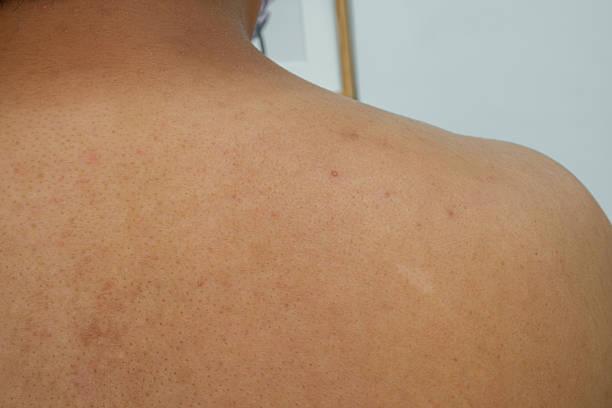
Understanding Back Acne and Why It Happens
Back acne is a common skin concern that can affect both teenagers and adults. It develops when hair follicles on the back become clogged with excess oil, dead skin cells, and bacteria. This leads to inflammation, redness, and sometimes painful breakouts. Factors such as hormonal changes, excessive sweating, tight clothing, and poor skincare habits can increase the likelihood of developing back acne. Understanding the root cause is the first step toward managing it effectively and preventing it from becoming a recurring issue.
In many cases, people search for effective solutions like treatment for pimples on back when breakouts start affecting their confidence and daily comfort. The back is harder to reach and clean properly, which makes consistent care even more important for long-term skin health.
How to Treat Back Acne and Its Effects
Back acne does not just affect the surface of the skin; it can also impact self-esteem and cause long-term skin texture changes if not managed properly. The key to dealing with it lies in maintaining a consistent skincare routine that focuses on cleansing, exfoliating, and keeping the pores clear. Regular cleansing helps remove sweat and oil buildup, while gentle exfoliation prevents dead skin cells from clogging pores.
Wearing breathable fabrics also plays a major role in reducing irritation. Tight clothing traps sweat and bacteria, which can worsen breakouts. Showering after physical activity is another essential habit to prevent buildup on the skin. In addition, using non-comedogenic skincare products ensures that the pores remain unclogged and the skin stays balanced.
When back acne is left untreated, it may lead to dark spots and uneven skin texture. This is why early care and consistent skin maintenance are essential for achieving smoother and healthier skin over time.
Lifestyle Habits That Help Prevent Back Acne
Daily habits significantly influence the condition of your skin. Maintaining hygiene by washing your back regularly can reduce the chances of bacterial buildup. It is also important to avoid excessive scrubbing, as harsh friction can irritate the skin and worsen inflammation.
A balanced diet can also support clearer skin. Foods rich in antioxidants and hydration help the body maintain healthy skin function. Staying hydrated helps flush out toxins that may contribute to breakouts. Stress management is another key factor, as stress can trigger hormonal changes that increase oil production in the skin.
Consistency is essential when it comes to preventing future breakouts. Small daily efforts can create long-term improvements in skin clarity and texture.
Building a Long-Term Skincare Routine for the Back
Creating a simple yet effective skincare routine for your back can make a significant difference. Gentle cleansing once or twice daily helps remove impurities without stripping the skin of its natural moisture. Exfoliation once or twice a week can help keep pores clear, but overdoing it should be avoided to prevent irritation.
Moisturizing is equally important, even for acne-prone skin. Using lightweight, non-greasy moisturizers helps maintain skin balance and prevents excessive oil production. Sun protection is also necessary, as exposure to sunlight can darken acne marks and slow down healing.
With consistent care, the skin gradually becomes clearer and more even-toned, reducing the likelihood of future breakouts.
Common Concerns About Back Acne
Q: What causes back acne to appear more frequently on some people?
A: Back acne often appears due to excess oil production, hormonal changes, sweat buildup, and friction from tight clothing. People with naturally oily skin or active lifestyles may experience it more frequently.
Q: Can back acne go away on its own?
A: Mild cases may improve with proper hygiene and lifestyle changes, but persistent acne usually requires a consistent skincare routine to manage effectively.
Q: Is scrubbing the back helpful for acne?
A: Harsh scrubbing is not recommended as it can irritate the skin and worsen inflammation. Gentle cleansing is more effective for long-term improvement.
Q: Does diet affect back acne?
A: Yes, a balanced diet can support healthier skin. Hydration and nutrient-rich foods help reduce inflammation and improve skin clarity.
Q: How long does it take to see improvement?
A: Results vary depending on skin type and consistency of care, but noticeable improvement usually occurs with regular skincare habits over time.
Professional Skin Support for Clearer Results
For individuals struggling with persistent back acne, professional guidance can provide more targeted solutions and advanced care options tailored to specific skin needs.
Enfield Royal Clinic offers specialized skin care approaches designed to help manage back acne effectively while improving overall skin texture and clarity. With personalized attention and advanced techniques, long-term skin improvement becomes more achievable, helping you regain confidence in your skin.
Κατηγορίες
Διαβάζω περισσότερα
Hair thinning and hair loss have become increasingly common due to stress, genetics, hormonal imbalance, and lifestyle factors, affecting both men and women across different age groups. Traditional solutions often provide limited or temporary improvements, which has increased demand for advanced regenerative treatments that target the root cause of follicle damage. In this evolving landscape of...
The latest research report by Emergen Research, titled ‘Global Global Minimally Invasive Biopsy Technologies Market,’ can be considered a profound analysis of the global Global Minimally Invasive Biopsy Technologies industry that focuses on crucial data and information pertaining to the sales and revenue shares. The market evaluations over the forecast years are based on a...
Polaris Market Research has introduced the latest market research report titled Ready-Mix Concrete Market Share, Size, Trends, Industry Analysis Report, By Type (Transit Mixed Concrete, Shrink Mixed Concrete, Central Mixed Concrete, Hybrid Riser, Others); By Application; By Region; Segment Forecast, 2023 - 2032 that highlights the major revenue stream for the forecast period. The...

Polaris Market Research has introduced the latest market research report titled Pyrophyllite Market Share, Size, Trends, Industry Analysis Report, By Type, By Application (Ceramics, Refractories & Foundries, Fillers), By Region, And Segment Forecasts, 2024 - 2032 that highlights the major revenue stream for the forecast period. The report contains clear, reliable, and...
Laser treatments have become one of the most effective ways to achieve smooth and long-lasting skin results. However, the success of the procedure does not only depend on the session itself but also on how well you care for your skin afterward. Proper aftercare helps reduce irritation, supports healing, and improves overall results, making the experience more comfortable and effective...