Caregivers at Home vs Nursing Homes: Which Is Better?

Choosing the right care option for a loved one is a significant decision that impacts their comfort, health, and overall quality of life. Many families today are exploring Caregivers at home in Dubai as a flexible and personalized alternative to traditional care facilities. With the added convenience of services like Doctor at Home, home-based care is becoming increasingly popular, offering medical support alongside daily assistance without requiring patients to leave their homes.
Understanding Caregivers at Home:
Caregivers at home provide one-on-one support tailored to the individual needs of patients within their own living environment. This type of care focuses on maintaining independence while ensuring safety and comfort. Caregivers assist with daily activities, monitor health conditions, and offer emotional companionship, creating a holistic approach to care that prioritizes the patient’s well-being.
Understanding Nursing Homes:
Nursing homes are residential facilities designed to provide long-term care for individuals who require constant supervision and medical attention. These facilities offer structured routines, access to medical staff, and social opportunities with other residents. While nursing homes can be beneficial for individuals with complex medical needs, they may lack the personalized attention that home care provides.
Level of Personalized Care:
One of the key differences between home caregivers and nursing homes is the level of personalization. Home caregivers focus entirely on one patient, tailoring care to their specific needs and preferences. In contrast, nursing homes often have multiple residents, which can limit the amount of individualized attention each person receives. Benefits of personalized home care include:
- One-on-one attention and support
- Customized care plans
- Flexibility in daily routines
- Greater focus on individual preferences
This makes home caregiving an appealing option for families seeking dedicated care.
Comfort and Familiar Environment:
Remaining in a familiar environment can have a significant impact on a patient’s emotional and mental well-being. Home care allows individuals to stay surrounded by their belongings and memories, reducing stress and anxiety. Nursing homes, while structured and supportive, may feel unfamiliar and restrictive to some patients, especially during the initial transition period.
Cost Comparison and Affordability:
Cost is an important factor when choosing between home care and nursing homes. Home caregiving can often be more cost-effective, particularly when families opt for part-time or customized services. Financial considerations include:
- Paying only for required hours of care
- Avoiding facility and accommodation fees
- Flexible service plans based on budget
- Reduced transportation costs for medical visits
Nursing homes, on the other hand, may involve fixed monthly fees that include accommodation and full-time care, which can be higher depending on the facility.
Medical Support and Supervision:
Nursing homes typically have on-site medical staff available around the clock, making them suitable for patients with severe or complex medical conditions. However, home caregiving can also provide effective medical support when combined with services like Doctor at Home, allowing patients to receive professional medical attention without leaving their homes. This combination ensures a balanced approach to healthcare, integrating daily care with medical expertise.
Social Interaction and Companionship:
Nursing homes offer opportunities for social interaction with other residents through group activities and shared spaces. This can be beneficial for individuals who enjoy a community environment. However, home caregivers provide personalized companionship, focusing on meaningful one-on-one interactions. For many patients, this individualized attention can be more comforting and emotionally fulfilling.
Flexibility and Independence:
Home caregiving offers greater flexibility compared to nursing homes, allowing patients to maintain control over their daily routines. Care plans can be adjusted as needs change, ensuring that patients receive the appropriate level of support at all times. Key advantages of flexibility include:
- Freedom to follow personal schedules
- Ability to adapt care plans easily
- Independence in decision-making
- Customized levels of assistance
Nursing homes, by contrast, often follow structured schedules that may not align with individual preferences.
Impact on Family Involvement:
Home care enables families to remain actively involved in their loved one’s daily life and care decisions. This involvement strengthens emotional bonds and provides reassurance that the patient is receiving attentive support. In nursing homes, while families can visit regularly, they may have less direct involvement in day-to-day care.
Safety and Quality of Life:
Both care options prioritize safety, but they do so in different ways. Nursing homes offer a controlled environment with constant supervision, while home caregivers focus on creating a safe and comfortable space within the patient’s home. The presence of Caregivers at home in Dubai ensures that patients receive attentive care tailored to their needs, contributing to a higher quality of life and greater sense of dignity.
Final Thoughts:
Deciding between home caregivers and nursing homes depends on the specific needs, preferences, and circumstances of the patient and their family. While nursing homes provide structured care and medical supervision, Caregivers at home in Dubai offer personalized attention, flexibility, and the comfort of staying at home. With the added support of services like Doctor at Home, home-based care has become a compelling option for those seeking a more individualized and compassionate approach to healthcare.
Categorie
Leggi tutto
US Anti-Aging Products AI Market The US Anti Aging Products AI Market is poised to reach a valuation of USD 105.2 billion by 2034, growing at a rate of 15.8% CAGR, from its valuation of USD 63.5 billion in 2024. The US Anti-Aging Products AI Market report presents a comprehensive analysis of the US Anti-Aging Products AI market that offers valuable insights to the investors, stakeholders, and...

The Middle EAST EIS Analyzers Market was valued at USD 0.45 billion in 2024 and is projected to reach USD 1.20 billion by 2034, registering a CAGR of 10.00%. This growth trajectory is underpinned by several key factors, including the increasing demand for efficient analytical solutions across various industries, advancements in technology, and a rising focus on quality control and compliance....

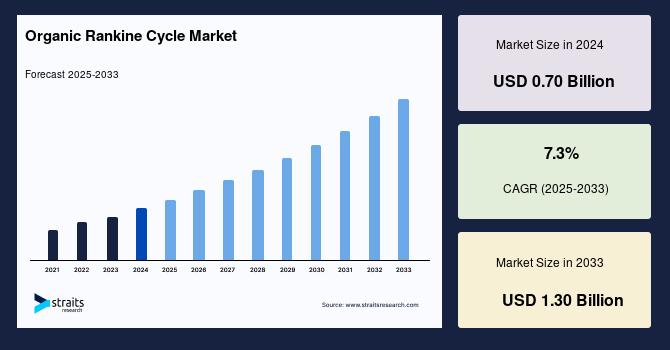
The global organic Rankine cycle (ORC) market is gaining significant momentum as industries increasingly adopt energy-efficient technologies to recover waste heat and generate power. ORC systems are widely used in geothermal, biomass, and industrial waste heat recovery applications, supporting sustainable energy generation. Market Overview The global organic Rankine cycle market was valued...
The Online Kyc And Id Verification Market research report has been crafted with the most advanced and best tools to collect, record, estimate, and analyze market data. The report also sheds light on the market overview in its entirety touching diverse aspects like product definition, prevailing vendor landscape, and market segmentation. Through the comprehensive and systematic market research...

Scarf for women only less than $97 if you are looking for high quality replica designer scarves we Replicagent is your best choice here, what you see are exaclty what you will get. Your free shipping scarf for women only less than $97 better design and better quality replica factory. What are you guys waiting for? Only less than $97 believe it or not you will be amazed by the quality of our...