Rhinoplasty Gone Wrong: Causes and How to Avoid Them

Rhinoplasty Surgery is one of the most popular cosmetic procedures, offering the promise of enhanced facial balance and confidence. However, like any surgery, it carries the risk of complications and unsatisfactory results if not planned or executed carefully. Understanding what can go wrong and how to prevent mistakes is critical for anyone considering this procedure. Being proactive, asking the right questions, and selecting the right surgeon can dramatically reduce the chances of a disappointing outcome.
Common Causes of Rhinoplasty Problems:
Several factors contribute to unsatisfactory rhinoplasty results. Knowing them helps patients make informed choices:
- Inexperienced or unqualified surgeons
- Unrealistic patient expectations
- Poor pre-surgical assessment of nasal structure
- Inadequate post-operative care or patient noncompliance
- Complications arising from underlying health conditions
Being aware of these causes allows patients to take preventive steps and minimize risks.
Selecting the Right Surgeon:
The choice of surgeon significantly affects outcomes. Key points to consider include:
- Verify board certification and relevant training
- Review before-and-after photos of previous patients
- Seek referrals or patient testimonials
- Confirm experience with complex or revision rhinoplasty cases
A skilled, experienced surgeon is essential to reduce the likelihood of complications and achieve desired results.
Pre-Surgical Planning Mistakes:
Thorough pre-surgical planning is critical to success. Common errors include:
- Skipping imaging or 3D modeling of nasal structure
- Neglecting to discuss aesthetic goals in detail
- Ignoring functional issues such as breathing difficulties
- Overlooking facial proportions and overall symmetry
Patients who actively participate in planning can help ensure the surgery aligns with their expectations.
Surgical Technique Errors:
Mistakes during surgery are another common source of problems. These can include:
- Over-reduction or under-reduction of nasal tissue
- Misalignment of nasal tip or bridge
- Inadequate support for cartilage and structural integrity
- Poor incision placement leading to visible scarring
Selecting a surgeon with refined technique and extensive experience is crucial to avoid these errors.
Post-Operative Complications:
Even with expert planning, post-surgical complications may occur. These include:
- Swelling, bruising, or infection
- Difficulty breathing or nasal obstruction
- Asymmetry or irregular contouring
- Scar tissue formation affecting nasal shape
Understanding potential complications helps patients monitor recovery closely and seek timely medical attention if issues arise.
Managing Expectations:
Many rhinoplasty problems stem from unrealistic expectations. Patients should:
- Understand that perfection is rarely achievable
- Expect gradual changes over months as swelling subsides
- Discuss possible limitations with their surgeon
- Focus on improvement rather than an exact “ideal” shape
Realistic expectations improve satisfaction and reduce disappointment after surgery.
Avoiding Revision Surgery:
Revision rhinoplasty is more complicated than the initial procedure. To minimize the need for corrections:
- Choose an experienced surgeon from the start
- Follow all pre- and post-operative instructions carefully
- Attend all follow-up appointments to monitor healing
- Avoid trauma to the nose during recovery
Being cautious and proactive reduces the likelihood of needing secondary procedures.
Importance of Post-Operative Care:
Proper care after surgery is as important as the procedure itself. Recommendations include:
- Keeping the head elevated to reduce swelling
- Avoiding strenuous activity and trauma to the nose
- Using prescribed medications and following hygiene instructions
- Reporting any unusual symptoms promptly to the surgeon
Adhering to these practices supports proper healing and helps maintain surgical results.
Psychological Considerations:
Rhinoplasty impacts both appearance and self-perception. Patients should:
- Prepare for emotional ups and downs during recovery
- Understand that initial swelling may temporarily distort results
- Communicate openly with their surgeon about concerns
- Seek support if anxiety or dissatisfaction arises
Emotional readiness and realistic expectations contribute to overall satisfaction with the procedure.
Legal and Ethical Aspects:
Awareness of legal and ethical considerations can prevent problems:
- Ensure informed consent is fully understood and signed
- Confirm the surgeon operates in accredited facilities
- Avoid surgeons who make unrealistic promises or pressure decisions
Being informed about these aspects protects patients and reinforces responsible decision-making.
Final Thoughts:
Rhinoplasty surgery can dramatically improve appearance and confidence, but it is not without risks. Many problems arise from inexperienced surgeons, poor planning, unrealistic expectations, or insufficient post-operative care. By carefully selecting a qualified surgeon, actively participating in pre-surgical planning, understanding potential complications, and following recovery guidelines, patients can significantly reduce the likelihood of unsatisfactory outcomes. Ultimately, preparation, education, and realistic expectations are the best tools for a successful rhinoplasty experience.
Категории
Больше
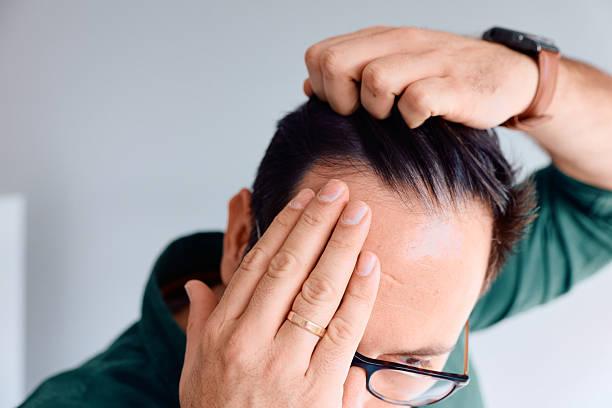
Hair thinning and hair loss have become increasingly common due to stress, genetics, hormonal imbalance, and lifestyle factors, affecting both men and women across different age groups. Traditional solutions often provide limited or temporary improvements, which has increased demand for advanced regenerative treatments that target the root cause of follicle damage. In this evolving landscape of...
The Outdoor Smart Locker Market size was estimated at USD 0.5 billion in 2024 and is projected to reach USD 1 trillion by 2034, growing at a CAGR of 12.0% from 2024 to 2034. The latest report, titled ‘Global Outdoor Smart Locker Market,’ comprises a profound analysis of the fundamental parameters contributing to the global Outdoor Smart Locker market scenario. The...

As men age, the body undergoes several natural changes that can affect overall sexual health, confidence, and physical perception. One of the most commonly discussed concerns is the gradual change in penile appearance and function over time. penis enlargement clinic These changes are often influenced by reduced blood flow, hormonal shifts, lifestyle habits, and general health conditions....
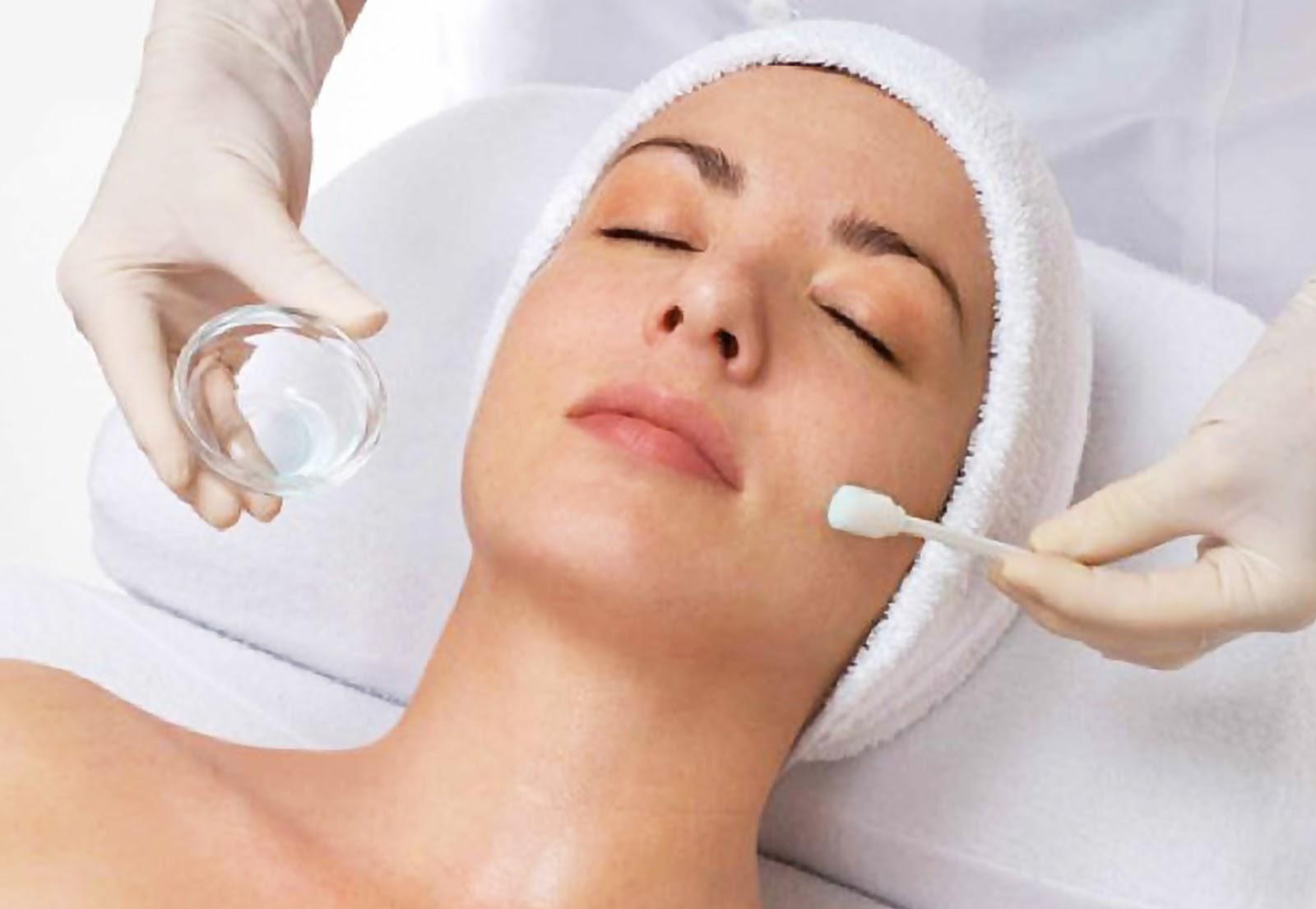
For anyone looking to achieve smoother, brighter skin quickly, a Chemical Peel Treatment(التقشير الكيميائي الرياض) offers a powerful solution. By using a controlled chemical solution to exfoliate the top layers of skin, this treatment can reduce the appearance of fine lines, acne scars, and uneven texture, often revealing noticeable results by the next day. Understanding the process, benefits,...
The Medical Knee Braces Market research report has been crafted with the most advanced and best tools to collect, record, estimate, and analyze market data. The report also sheds light on the market overview in its entirety touching diverse aspects like product definition, prevailing vendor landscape, and market segmentation. Through the comprehensive and systematic market research study, the...