Hydrafacial vs Chemical Peel Which One is Right for You
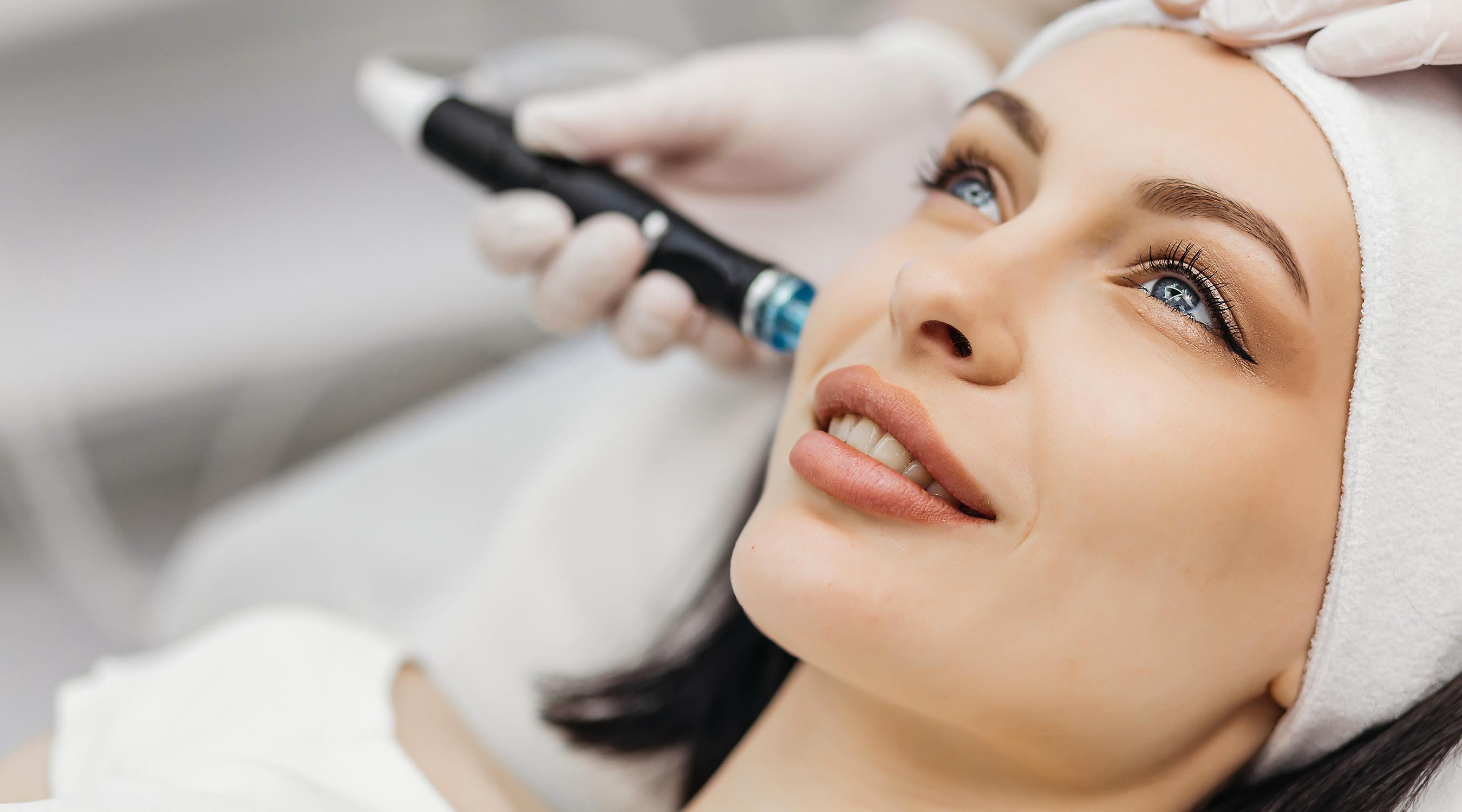
Choosing between a Hydrafacial Treatment and a chemical peel can be confusing, especially for beginners looking to improve their skin. Both treatments target concerns like dullness, uneven texture, and signs of aging, but they work in very different ways. Understanding the differences, benefits, and potential side effects can help you decide which is right for your skin.
How Hydrafacial Works:
Hydrafacial is a multi-step, non-invasive facial that combines cleansing, exfoliation, extraction, and hydration using specialized technology. Its process is gentle and suitable for most skin types. Key features include:
- Painless extraction of blackheads and impurities
- Gentle exfoliation without harsh scrubbing
- Infusion of hydrating and nourishing serums
- Customizable boosters for acne, fine lines, or pigmentation
This treatment provides immediate glow and smoothness while supporting long-term skin health.
How Chemical Peels Work:
Chemical peels use acidic solutions to remove the top layers of skin, encouraging cell turnover and revealing fresher, smoother skin underneath. They vary in strength:
- Light peels: Mild exfoliation for gentle brightening
- Medium peels: Target fine lines, uneven tone, and mild scarring
- Deep peels: Strong treatment for severe wrinkles and pigmentation issues
Peels can be more aggressive and often require downtime for peeling and redness to subside.
Benefits of Hydrafacial:
Hydrafacial offers a combination of cleansing, extraction, and hydration, making it effective for multiple skin concerns with minimal recovery. Benefits include:
- Immediate hydration and radiant glow
- Suitable for sensitive and acne-prone skin
- Minimal redness and downtime
- Pore refinement and smoother texture
- Long-term maintenance with regular sessions
Its gentle approach makes it a preferred choice for beginners or those who want results without disruption to daily life.
Benefits of Chemical Peels:
Chemical peels provide deeper exfoliation and can treat specific skin issues more aggressively. Advantages include:
- Improved texture and tone
- Reduction in fine lines and superficial wrinkles
- Fading of hyperpigmentation and sun spots
- Can address moderate acne scarring and discoloration
However, chemical peels can cause redness, peeling, and sensitivity, and stronger peels may require several days to a week of downtime.
Considerations for Choosing:
When deciding between Hydrafacial and chemical peel, consider:
- Skin sensitivity: Hydrafacial is safer for sensitive skin
- Downtime tolerance: Chemical peels may require several days to recover
- Immediate results: Hydrafacial provides instant hydration and glow
- Targeted concerns: Stronger peels may be better for deep pigmentation or severe scarring
- Maintenance: Hydrafacial can be done regularly without significant recovery
Choosing depends on your skin type, goals, and lifestyle preferences.
Combining Both Treatments:
Some individuals benefit from a combination approach: using Hydrafacial for regular maintenance and hydration, and occasional chemical peels for targeted, deeper correction of specific concerns. Consulting a skincare professional can help determine the best plan.
Final Thoughts:
Hydrafacial and chemical peels both offer valuable benefits, but they serve different purposes. Hydrafacial is ideal for gentle, immediate glow, hydration, and consistent skin health, while chemical peels provide deeper exfoliation and correction for stubborn skin concerns. Understanding your skin type, sensitivity, and goals ensures you choose the treatment that provides the best results for a healthier, more radiant complexion.
Kategorien
Mehr lesen
Recovering after surgery requires careful attention, consistency, and proper medical support to avoid potential complications. Many patients now prefer Post-surgical Care at Home in Dubai as it offers a more comfortable and controlled recovery environment. With services like a Doctor at Home, individuals can access professional healthcare without the need for frequent hospital visits....

Maintaining a strong immune system has become a top priority for many individuals, especially in today’s health-conscious world. One increasingly popular solution is the IV Drip at Home Service, which delivers essential vitamins and nutrients directly into the bloodstream for faster absorption. When combined with options like a Doctor at Home, this approach provides a convenient and...

In the dynamic Data Observability Market, several key players are making significant strides in providing innovative solutions that enhance data visibility and reliability. Companies like Datadog, Monte Carlo, and others are at the forefront, offering tools that enable organizations to monitor their data pipelines effectively. These companies have recognized the increasing demand for data...

Understanding Skin Texture Concerns and Modern Solutions Skin texture issues such as roughness, uneven tone, enlarged pores, and early signs of aging are common concerns among individuals seeking healthier and more radiant skin. These concerns can develop due to factors like sun exposure, stress, aging, and environmental conditions. Modern aesthetic treatments now offer advanced solutions that...
The Global Antifreeze Market size was estimated at USD 5.98 billion in 2026 and is projected to reach USD 9.6 billion by 2033, growing at a CAGR of 12.65% from 2026-2033. The comprehensive use of integrated methodologies yields a wonderful Antifreeze Market research report that plays an imperative part to shape the decision-making procedures of the business. This well-crafted report goes...