How a Chemical Peel Can Transform Your Skin Overnight
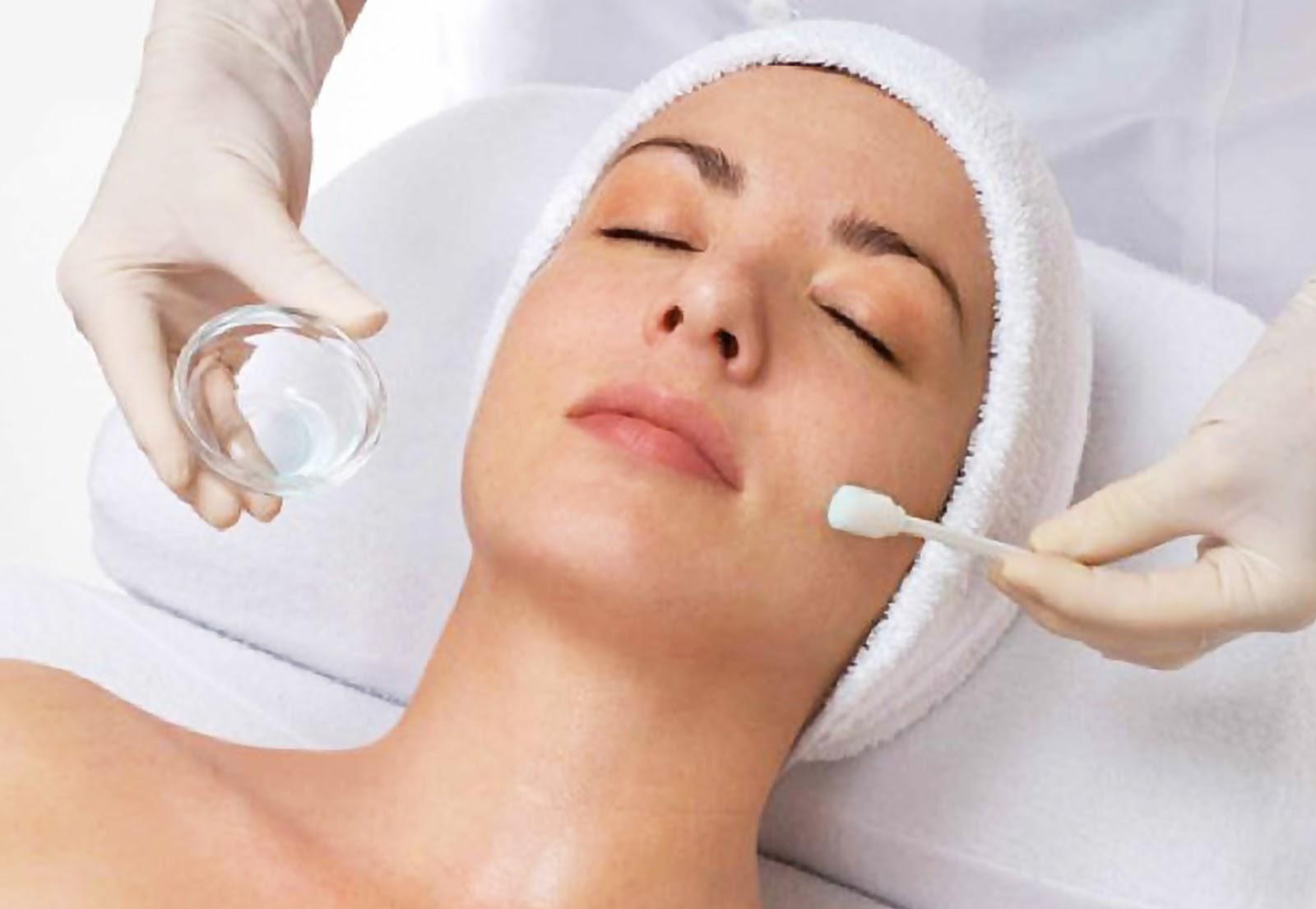
For anyone looking to achieve smoother, brighter skin quickly, a Chemical Peel Treatment(التقشير الكيميائي الرياض) offers a powerful solution. By using a controlled chemical solution to exfoliate the top layers of skin, this treatment can reduce the appearance of fine lines, acne scars, and uneven texture, often revealing noticeable results by the next day. Understanding the process, benefits, and aftercare is essential for maximizing results while maintaining skin safety.
What is a Chemical Peel:
A chemical peel is a cosmetic procedure that applies a chemical solution to the skin, promoting controlled exfoliation and stimulating regeneration. Depending on the depth of the peel—superficial, medium, or deep—it can target issues ranging from minor texture problems to more pronounced pigmentation and wrinkles. A licensed skincare professional determines the ideal peel type based on individual skin needs and goals.
Benefits of Chemical Peel Treatment:
The advantages of a chemical peel extend beyond immediate skin rejuvenation. Key benefits include:
- Smoother skin texture and enhanced glow
- Reduction in fine lines and superficial wrinkles
- Fading of acne scars and dark spots
- Boosted collagen production for firmer skin
- Improved absorption of topical skincare products
These benefits make chemical peels an appealing choice for anyone seeking a quick and effective facial refresh.
Types of Chemical Peels:
Chemical peels are categorized by their intensity:
- Superficial Peels: Mild acids remove dead skin cells on the surface for minor imperfections.
- Medium Peels: Penetrate deeper layers to improve scars, wrinkles, and pigmentation.
- Deep Peels: Provide significant rejuvenation for severe skin concerns but require extended recovery and professional supervision.
Choosing the right type ensures optimal results with minimal risk.
Preparing for Your Chemical Peel:
Proper preparation is vital for a safe and effective treatment:
- Avoid sun exposure and tanning beds for at least two weeks.
- Stop using retinoids or strong exfoliants before the procedure.
- Disclose any skin conditions, allergies, or medications to your provider.
- Maintain a gentle skincare routine to reduce irritation.
Following these steps reduces complications and enhances recovery.
The Chemical Peel Procedure:
The procedure is typically performed in a clinic under professional supervision:
- The skin is cleansed to remove oils and makeup.
- A chemical solution is applied evenly to the target area.
- The solution works for the prescribed time before being neutralized.
- A soothing moisturizer or protective ointment is applied after treatment.
Patients may feel a mild tingling or warming sensation, which is normal and usually temporary.
Recovery and Aftercare:
Post-peel care is critical for achieving the best results:
- Expect redness, peeling, or flaking, particularly with medium or deep peels
- Use gentle, hydrating moisturizers as recommended
- Avoid direct sunlight and wear broad-spectrum sunscreen daily
- Refrain from picking or scratching treated areas to prevent scarring
Adhering to aftercare instructions ensures faster healing and longer-lasting improvements.
Potential Risks and Precautions:
While chemical peels are generally safe, some risks exist:
- Temporary redness, swelling, or irritation
- Possible hyperpigmentation or lightening of skin
- Infection if proper aftercare is not followed
- Rare scarring in sensitive skin types
A consultation with a licensed dermatologist can help identify potential risks and determine suitability.
Ideal Candidates for Chemical Peel Treatment:
Not everyone should undergo a chemical peel. Ideal candidates include:
- Individuals with uneven skin tone or texture
- People with mild acne scars, pigmentation, or sun damage
- Those seeking a non-surgical anti-aging solution
- Patients willing to follow pre- and post-treatment care
People with active infections, certain skin conditions, or recent cosmetic procedures may require alternative treatments.
Cost and Frequency of Treatment:
The cost varies depending on peel type, depth, and clinic location. Generally:
- Superficial peels are more affordable and can be done regularly for maintenance
- Medium peels may require fewer sessions but cost more per treatment
- Deep peels are typically a one-time investment with longer recovery
Consulting a professional ensures treatment is cost-effective and safely administered.
Final Thoughts:
A Chemical Peel Treatment can dramatically improve the skin’s appearance overnight, offering smoother texture, reduced blemishes, and a radiant glow. Understanding the procedure, types, benefits, and necessary precautions is essential for achieving the best results. By selecting a qualified professional and following recommended care guidelines, you can safely transform your skin and enjoy long-lasting improvements that boost confidence and overall skin health.
Kategoriler
Read More
The Polyurethane Dewatering Screen Market size was estimated at USD 0.45 billion in 2024 and is projected to reach USD 0.85 billion by 2034, growing at a CAGR of 6.8% from 2024 to 2034. The latest report, titled ‘Global Polyurethane Dewatering Screen Market,’ comprises a profound analysis of the fundamental parameters contributing to the global Polyurethane Dewatering...

Introduction One of the most important things to do in life is take time to be mindful and to relax. This has caused practices like massage therapy to be popular. Massage has been known to help with emotional balance. Circulation and stress parekting are also greatly contributed to by massage. Recently masajes eroticos madrid have become popular with people wanting to relax in a way that is...

Skin firmness is one of the most important indicators of youthful and healthy skin. Over time, natural aging, sun exposure, stress, and environmental damage reduce the skin’s ability to stay tight and elastic, leading to sagging and loss of definition. Modern regenerative aesthetics now focuses on restoring firmness by improving the skin’s internal structure rather than only...
The Global Bus Pantograph Charger Market Report offers a comprehensive evaluation of the Bus Pantograph Charger industry, delivering valuable insights into business strategies, current market trends, and both qualitative and quantitative assessments. The study provides an in-depth analysis of critical market aspects, including key growth drivers, restraints, opportunities, risks, and emerging...

The Middle EAST Electrochemical Gas Sensor Market was valued at USD 0.45 billion in 2024 and is projected to reach USD 1.20 billion by 2034, registering a CAGR of 10.00%. This growth trajectory is underpinned by increasing industrialization and urbanization across the region, which drives the demand for advanced gas detection technologies. The rising awareness of environmental safety and...