Liposuction vs Diet: What Really Works for Fat Loss?
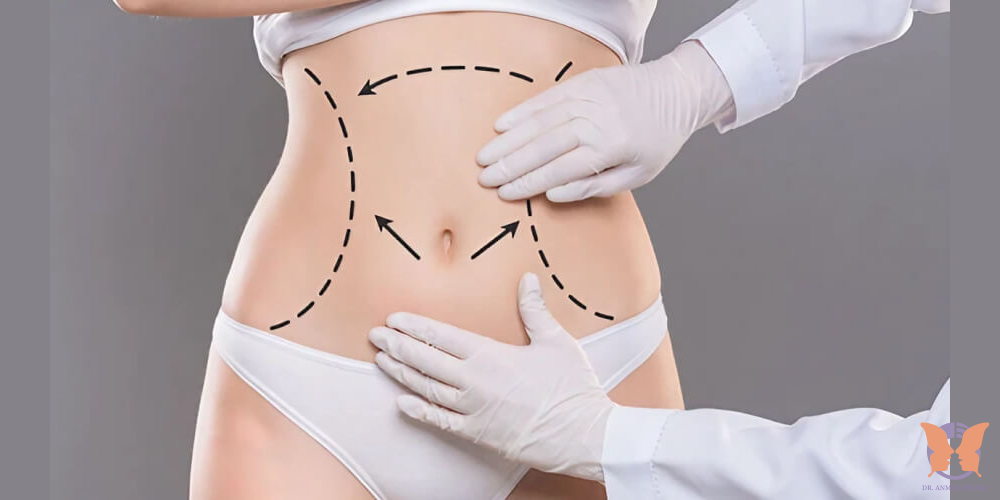
When it comes to losing body fat, many people find themselves choosing between traditional dieting and Liposuction Surgery as a faster alternative. Both approaches aim to reduce fat, but they work in completely different ways and deliver very different results. Understanding how each method functions can help you decide which option aligns best with your health goals, lifestyle, and expectations.
Understanding Fat Loss:
Fat loss occurs when your body burns more calories than it consumes, leading to a reduction in stored fat over time. Dieting focuses on creating this calorie deficit naturally, while liposuction physically removes fat cells from specific areas of the body. While both methods reduce fat, dieting promotes overall weight loss and improved health, whereas liposuction is more targeted and cosmetic in nature.
How Dieting Works:
Dieting is a natural and non-invasive way to reduce body fat by controlling calorie intake and improving nutrition. It requires consistency, discipline, and time to achieve noticeable results. Key aspects of effective dieting include:
- Consuming fewer calories than you burn
- Eating nutrient-dense foods like vegetables, lean proteins, and whole grains
- Avoiding processed foods and sugary drinks
- Maintaining a balanced and sustainable eating pattern
- Supporting fat loss with regular physical activity
Dieting not only helps reduce fat but also improves overall health, including heart function, metabolism, and energy levels.
How Liposuction Works:
Liposuction is a surgical procedure that removes fat deposits from specific areas using suction techniques. Unlike dieting, it does not rely on calorie control or metabolism but instead provides immediate physical removal of fat cells. It is commonly used for areas resistant to diet and exercise, such as the abdomen, thighs, and arms. While the results can be noticeable quickly, it is not designed for overall weight loss and should not replace healthy lifestyle habits.
Key Differences Between Liposuction and Diet:
Although both methods aim to reduce fat, their approach and outcomes differ significantly. Here are the main differences:
- Dieting reduces overall body fat gradually, while liposuction targets specific areas
- Dieting improves internal health, whereas liposuction focuses on appearance
- Dieting requires long-term commitment, while liposuction provides quicker visible results
- Liposuction involves surgical risks, while dieting is generally safe when done properly
- Results from dieting can be maintained through lifestyle, while liposuction results require maintenance as well
Understanding these differences is essential when choosing the right approach for your needs.
Pros and Cons of Dieting:
Dieting is often the first and most recommended approach for fat loss due to its health benefits and accessibility. However, it also comes with challenges:
- Pros:
- Improves overall health and fitness
- Sustainable and cost-effective
- No medical risks when done correctly
- Supports long-term weight management
- Cons:
- Requires time, patience, and consistency
- Results may be slow
- Difficult to target specific fat areas
- Can be frustrating if progress is not visible quickly
Pros and Cons of Liposuction:
Liposuction offers a more immediate solution for fat removal but comes with its own considerations:
- Pros:
- Quick and noticeable results
- Targets stubborn fat areas
- Enhances body contour and shape
- Boosts confidence in a shorter time
- Cons:
- Surgical risks and recovery time
- Higher cost compared to dieting
- Not a solution for overall weight loss
- Results can be affected by future weight gain
Which Option is More Effective:
The effectiveness of dieting versus liposuction depends on your goals. If your aim is to lose weight and improve overall health, dieting is the better and more sustainable option. However, if you are already close to your ideal weight and struggling with stubborn fat deposits, liposuction may provide the targeted results you desire. In many cases, combining both approaches can deliver the best outcome.
Can Liposuction Replace Dieting:
Liposuction cannot replace dieting because it does not address the underlying causes of weight gain, such as poor eating habits or lack of physical activity. Even after undergoing Liposuction Surgery, maintaining a healthy diet is essential to preserve results. Without lifestyle changes, fat can return in other areas of the body, reducing the long-term effectiveness of the procedure.
Choosing the Right Approach:
Deciding between liposuction and dieting depends on several personal factors. Consider the following when making your decision:
- Your current weight and health condition
- Your fat loss goals (overall vs targeted)
- Your willingness to commit to lifestyle changes
- Your budget and comfort with surgical procedures
- Advice from qualified medical professionals
A personalized approach often works best, combining healthy eating with targeted treatments when necessary.
Final Thoughts:
Both liposuction and dieting have their place in fat loss, but they serve different purposes. Dieting remains the foundation for long-term health and sustainable weight management, while liposuction is a supportive cosmetic option for refining body shape. By understanding their differences and limitations, you can make a well-informed decision that aligns with your goals and leads to lasting results.
Категории
Больше
In today’s fast-paced lifestyle, many professionals and busy individuals struggle to manage their health alongside work, travel, and personal responsibilities. This is why services like Glucose Drip at Home have become increasingly popular, offering quick recovery and energy restoration without disrupting daily schedules. With the convenience of Doctor at Home services, people can now...

The Global Food Cold Chain Market report by Emergen Research presents a comprehensive analysis of the Food Cold Chain market that offers valuable insights to the investors, stakeholders, and business strategists for the forecast period of 2024-2034. The report on the global Food Cold Chain market presents the expected growth rate and market value the market is expected to achieve in...

The Graphite Electrode Market research report has been crafted with the most advanced and best tools to collect, record, estimate, and analyze market data. The report also sheds light on the market overview in its entirety touching diverse aspects like product definition, prevailing vendor landscape, and market segmentation. Through the comprehensive and systematic market research study, the...
The comprehensive use of integrated methodologies yields a wonderful Agriculture Biologicals Market research report that plays an imperative part to shape the decision-making procedures of the business. This well-crafted report goes further than surface-level overview to deeply scrutinize prominent industry players, comprising detailed study of their company profiles, latest...

Interior Design Services Market The Interior Design Services Market involves planning and designing functional and visually appealing indoor spaces for residential and commercial applications. Rising urbanization, remodeling activities, and demand for personalized living spaces drive growth. Trends such as smart homes, sustainable materials, and ergonomic designs shape consumer preferences....